


Take Your Tastebuds on a Trip to Sri Lanka: The UK Restaurants Championing Sri Lankan Food
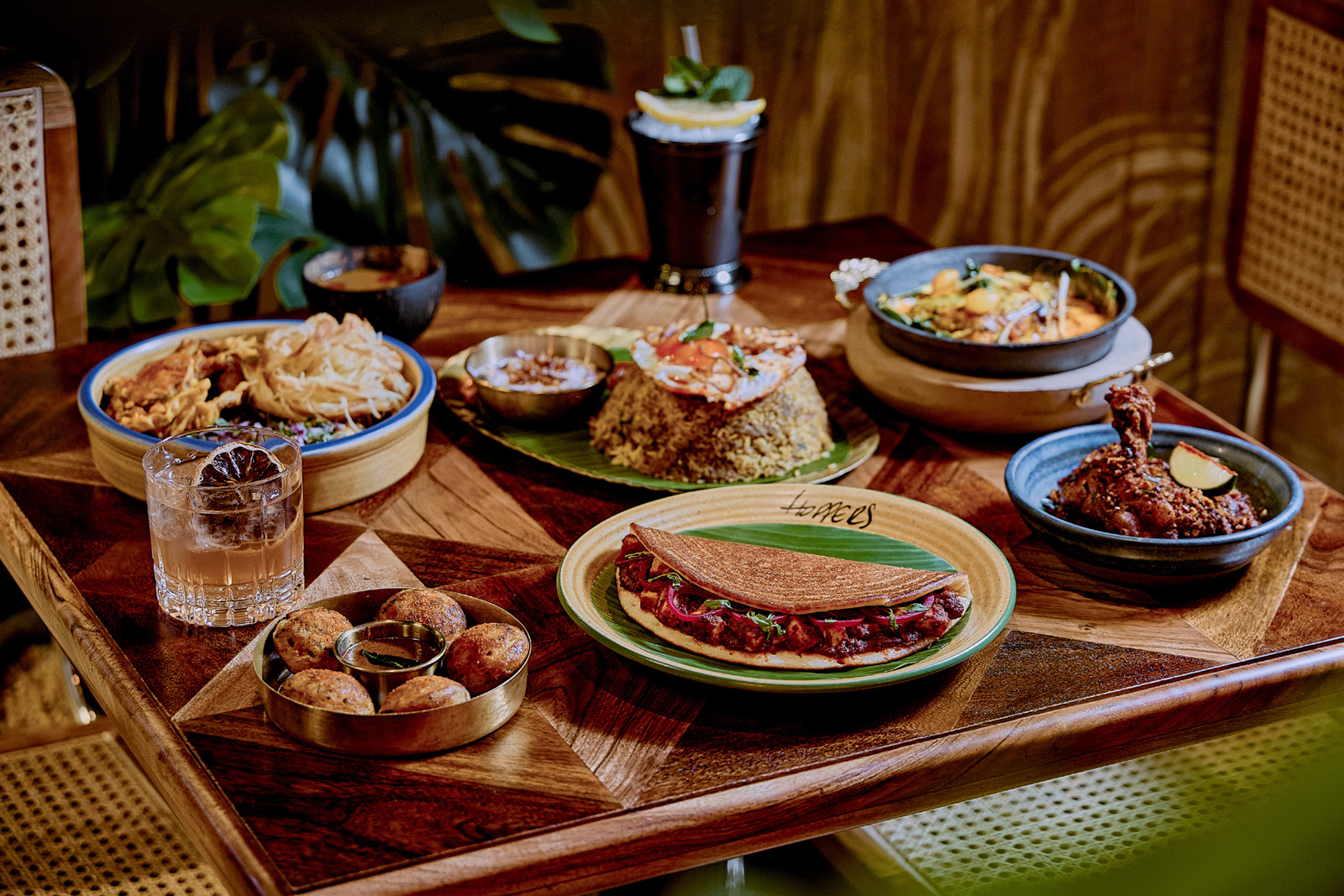
Britain’s appetite for South Asian food is well established, but Sri Lankan cuisine is now attracting wider attention for its own distinctive character. From central London restaurants to family-run venues in Harrow and Bristol, Sri Lankan food in the UK is becoming easier to find, enjoy and share.
The cuisine brings together familiar spices such as cinnamon, cardamom, cloves, curry leaves and mustard seeds. Its signature flavours are shaped by the richness of coconut, the sharpness of tamarind and a confident use of chilli.
For many diners, this combination offers something both recognisable and entirely new.

A distinct place in Britain’s South Asian food scene
The UK’s long relationship with South Asian food has often focused on Bangladeshi-owned “Indian” curry houses and Pakistani grills. These restaurants have played an important role in Britain’s food culture, but Sri Lankan cooking has its own traditions, ingredients and regional influences.
For years, diners looking for authentic Sri Lankan food had to seek out established diaspora restaurants, particularly in London suburbs such as Wembley, Harrow and Tooting. These areas remain important hubs for Sri Lankan communities and continue to offer some of the country’s most satisfying and affordable dishes.
The arrival of Hoppers in Soho in 2015 marked a significant change. Its Michelin Bib Gourmand recognition and central London location introduced Sri Lankan food to a much broader audience, helping to create space for a new generation of restaurants.
Kolamba in Soho and Rambutan in Borough Market followed, bringing further attention to Sri Lankan home cooking, regional recipes and bold, modern presentations.
What makes Sri Lankan food special?
Sri Lankan cuisine is built around contrast. Creamy coconut-based curries sit alongside sour tamarind sauces, fiery devilled dishes and cooling sambols. Rice, roti, string hoppers and hoppers provide the foundation for meals, while seafood, chicken, mutton and vegetables bring variety.
Some menu terms may be unfamiliar to first-time diners:
- Short eats are Sri Lankan street-food snacks, often filled with curried vegetables or meat and covered in a crisp crumb coating.
- Kothu is shredded roti stir-fried with vegetables, eggs and a choice of meat or seafood. It is cooked on a hot griddle and traditionally chopped with metal blades.
- Hoppers are bowl-shaped pancakes made from fermented rice batter, with crisp edges and a soft centre. They can be served with curries, sambols or an egg cooked in the middle.
- Devilled dishes are spicy, sour stir-fries made with ingredients such as chicken, prawns, fish, mutton or squid.
- Buriani is a richly flavoured rice dish, often layered with meat, seafood and aromatic spices.
Authentic Sri Lankan food can be notably hot, including dishes that contain coconut. Most restaurants will help diners choose a suitable spice level, but it is worth asking before ordering if you prefer gentler flavours.
Hoppers: a London landmark for Sri Lankan cuisine
Hoppers remains one of the best-known names in Sri Lankan food in the UK. The original Soho restaurant is intimate, with wooden seating, vintage posters and a relaxed atmosphere. The group has since expanded to Shoreditch, Marylebone and King’s Cross.
The menu includes halal chicken and lamb, alongside seafood and vegetarian dishes. For a first visit, the hot butter squid, priced at £12.50 in the Hyphen feature, offers a rich and spicy introduction. Mutton rolls with chilli ketchup, priced at £10, provide a classic short-eats option.
The Sri Lankan lamb shoulder buriani is a substantial dish for sharing. At £26, it combines tender boneless lamb with fragrant rice seasoned with Ceylon cinnamon, cardamom and cloves. The curry leaf and mustard raita, priced at £4, adds a cooling contrast.
Another highlighted dish is the Kerala fish curry at £17, featuring sea bass in an aromatic coconut sauce with mustard and a mild kick of spice.
Hoppers’ success helped demonstrate that Sri Lankan food could appeal to both established diaspora diners and people discovering the cuisine for the first time.
Trinco Bay: Sri Lankan favourites in Harrow
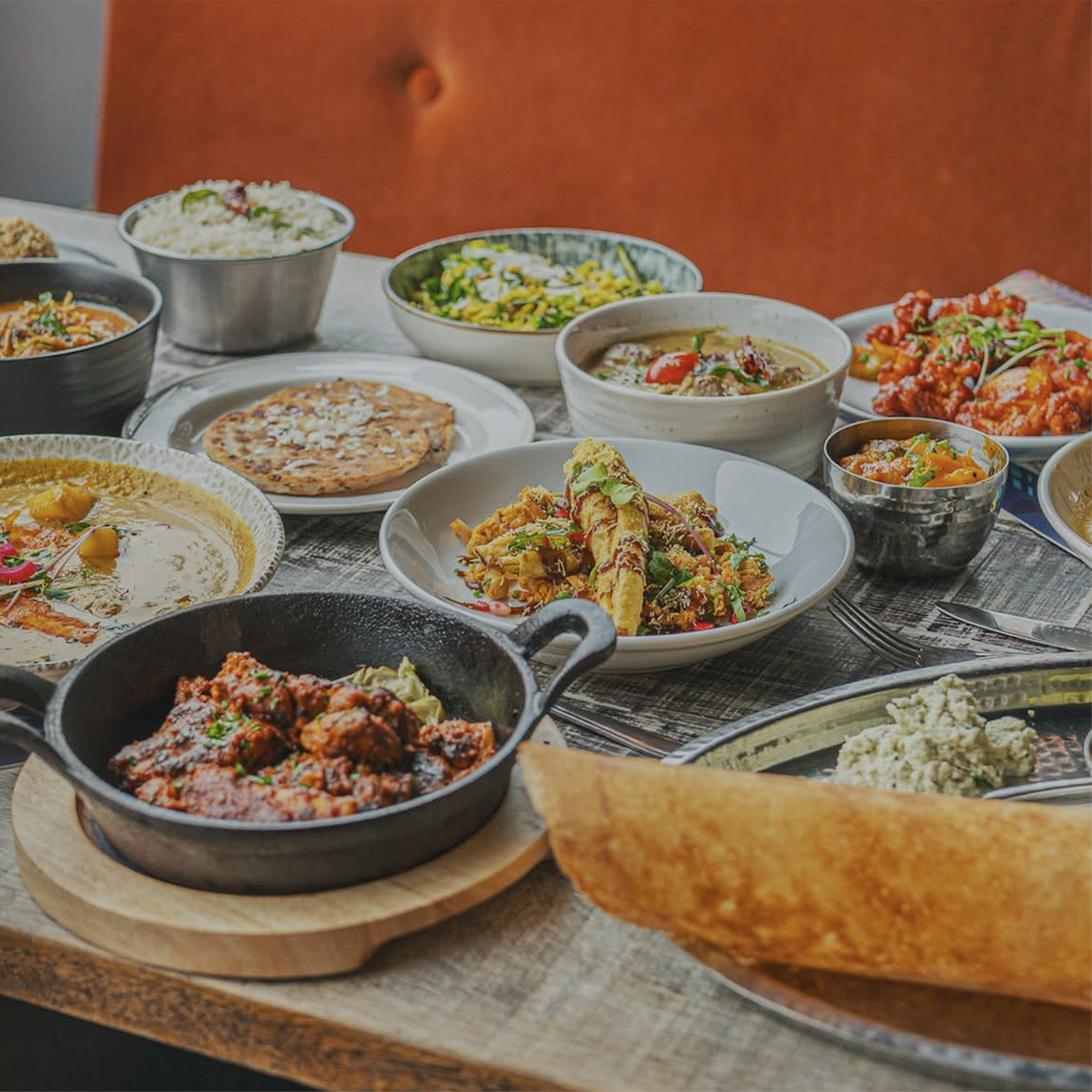
Rayners Lane in Harrow is part of London’s established Sri Lankan food scene, and Trinco Bay offers an extensive menu for diners seeking traditional flavours.
All the meats are halal, and the restaurant also features a wide selection of fish and seafood. Its “devils” section includes chicken, prawns, kingfish, mutton, squid and mixed seafood, with prices ranging from £11 to £14.
These fiery, sour stir-fries combine chillies, onions and piquant spices. The devilled prawns are a strong choice for seafood lovers, particularly for those who enjoy dishes with a sharp and lively finish.
Trinco Bay also serves short eats, including two mutton rolls for £3.25. Its burianis range from £10.50 to £12.50, with options including mutton, crab, chicken and kingfish.
The kothu menu allows diners to choose their preferred base and filling. Options include roti, string hoppers or puttu, a steamed preparation made from wheat or rice flour. The dish can then be combined with vegetables, chicken, mutton or seafood, with diners able to request their preferred level of heat.
Thosais, served with coconut chutney and sambar, are another traditional choice. For dessert, the restaurant offers sweet hoppers, including coconut milk at £2.75 and more contemporary options such as caramel Biscoff or strawberries and cream.
Nadu brings Sri Lankan food to Bristol
For readers outside London, Nadu in Bristol is an important example of Sri Lankan cuisine’s growing national presence.
The restaurant serves halal chicken and lamb, with freshly made parottas priced at £7 for two. These flaky, layered breads are ideal for scooping up rich curries and sauces.
Nadu’s menu includes aubergine, shrimp and fish kari, priced between £14 and £18. Its roast chicken sizzler, priced at £15, is marinated with tamarind, curry powder, cardamom and cloves before being served on a hot pan.
The devil crispy prawns, priced at £12, offer another popular combination of delicate batter, seafood and chilli heat.

Kothu: street-food energy across London
Kothu began at food markets in the Midlands before opening restaurants in Harrow, Tooting and Croydon. The group focuses on one of Sri Lanka’s most recognisable dishes while also offering a wider selection of curries and seafood.
The king prawn poriyal, priced at £12, is a good choice for diners looking for a dish centred on prawns and aromatic spices. The devilled kingfish, priced at £12.50, brings together firm fish, chilli and a tangy sauce.
For a vegetarian option, the aubergine curry at £8 demonstrates how Sri Lankan cooking can create depth and richness from vegetables, spices and coconut.
Kothu is particularly accessible for first-time diners because it can be customised with different bases, fillings and spice levels. The theatrical preparation also adds to the experience, as the ingredients are chopped and mixed together on the griddle.
Explore Sri Lankan restaurants across the UK
Around 70 per cent of the UK’s Sri Lankan diaspora lives in London’s suburbs, which helps explain the concentration of restaurants in areas such as Harrow, Tooting and Wembley. However, the cuisine is no longer limited to the capital.
Restaurants such as Nadu in Bristol, The Coconut Tree in several UK cities, Maalu Ceylon in Southampton and Sigiriya in Cheshire are helping more diners experience Sri Lankan food beyond London.
The growth of these restaurants reflects more than a change in dining habits. Food is an important way for communities to preserve heritage, introduce traditions to younger generations and share culture with wider audiences.
For Sri Lankan families, these restaurants can offer familiar tastes from home. For other diners, they provide an inviting introduction to the island’s regional cooking and hospitality.
Readers interested in Sri Lankan culture can also explore the articles section on elanka, while the events section highlights community activities and cultural gatherings across the UK.
Share your favourite Sri Lankan restaurant
Whether it is a long-established family restaurant in Tooting, a busy kothu kitchen in Harrow or a newer venue in Bristol, Sri Lankan restaurants across the UK are giving diners more opportunities to enjoy the island’s distinctive flavours.
Have you found a favourite Sri Lankan restaurant in the UK? Share your recommendations with the elanka community, including the town or neighbourhood, the dishes you recommend and whether the restaurant offers dine-in, collection or delivery.
From hoppers and short eats to devilled fish, buriani and kothu, Sri Lankan food is bringing spice, warmth and variety to Britain’s dining scene.
Original source
This feature draws on Zaynab Asaadi’s Hyphen column, “Take your tastebuds on a trip to Sri Lanka,” published on 1 September 2026:
Read the original article on Hyphen
Restaurant links mentioned in the source include Hoppers, Kolamba, Trinco Bay, Nadu and Kothu.