

15 of Sri Lanka’s Endemic Birds in One Forest: Sansuka Gamage’s Sinharaja Portfolio

Sri Lanka Blue Magpie, Sinharaja Forest Reserve. Photograph: Sansuka Gamage.
Wildlife photographer Sansuka Gamage has photographed 15 of Sri Lanka’s endemic bird species in one forest: Sinharaja. The rainforest is a UNESCO World Heritage site and one of the island’s most celebrated places to look for birds found nowhere else.
Five photographs from Gamage’s portfolio are featured here. Each offers a close look at the colour, character and quiet drama of Sri Lankan wildlife. Gamage says: “Sinharaja is the reason Sri Lanka is a paradise for bird lovers.”
At a glance
- Endemic bird species in Sri Lanka: 35 on the current list cited by the reference sources; counts can vary with taxonomy
- Endemics photographed by Sansuka Gamage in Sinharaja: 15 in total; five are shown here
- Location: Sinharaja Forest Reserve, south-west Sri Lanka
- Status: UNESCO World Heritage site, inscribed in 1988
- Photographer’s equipment: Canon 7D and 600mm lens
- Birding tip: Go early, and explore with a local guide
Sinharaja: a rainforest alive with birds
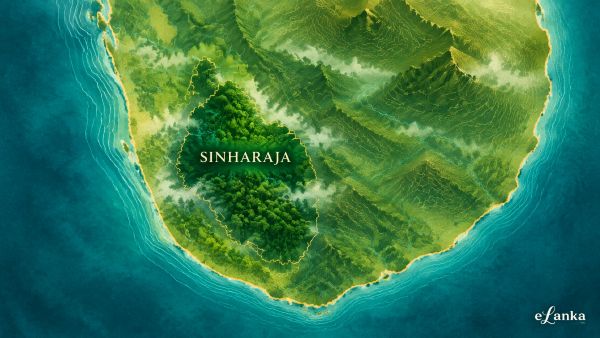
Sinharaja lies in Sri Lanka’s south-west, within the island’s wet zone. UNESCO inscribed the forest reserve on its World Heritage List in 1988, recognising its exceptional natural significance. It is a lowland rainforest with a rich variety of plants and wildlife, and is widely known among birdwatchers for its endemic species.
One of Sinharaja’s memorable birding experiences is a mixed-species feeding flock. Several kinds of birds move through the forest together, searching for food at different levels of the trees and undergrowth. For a visitor, the flock can turn a quiet stretch of trail into a lively glimpse of forest life.
The reserve’s trails and guided walks make it possible to explore this dense habitat on foot. A local guide can help visitors find birds, recognise their calls and understand the forest without disturbing its wildlife. Early mornings are often the most rewarding time for birdwatching, when birds are active and the forest is stirring.

Illustration: a map-style concept showing Sinharaja’s location in south-west Sri Lanka. Illustration by eLanka.
A photographer’s patience
Gamage took the photographs with a Canon 7D and a 600mm lens. The long lens helps a photographer frame distant birds while remaining at a respectful distance. But equipment is only part of the work: photographing rainforest birds also calls for patience, close observation and readiness for a brief moment in shifting light.
A bird may appear between leaves for only a few seconds, or move quickly from branch to branch. Gamage’s images preserve details that can be easy to miss in the forest: a flash of colour, the texture of feathers, a distinctive bill or the bird’s alert gaze.
The five photographs below are credited to Gamage. Species captions follow the visible features of each image; they are not presented as a complete list of the 15 birds in his portfolio.
Five birds from the forest
Sri Lanka Blue Magpie, a colourful endemic of the island’s forests. Sinharaja. Photograph: Sansuka Gamage.

Layard’s Parakeet, with its green plumage, grey head and red bill. Sinharaja. Photograph: Sansuka Gamage.

Yellow-fronted Barbet, with its yellow crown, blue face markings and green plumage. Sinharaja. Photograph: Sansuka Gamage.

Red-faced Malkoha, its red face patch and pale bill unmistakable as it holds a grasshopper in the canopy. Sinharaja. Photograph: Sansuka Gamage.

Ashy-headed Laughingthrush, a distinctive forest bird. Sinharaja. Photograph: Sansuka Gamage.
The original post features the wider portfolio of 15 endemic birds. These five photographs offer a selection, not an exhaustive species list. The images also show why Sinharaja rewards close attention: even familiar forest greens frame birds with strikingly different shapes, colours and expressions.
What makes a bird endemic?
A species is endemic when it is native to, and naturally found only in, a particular place. Sri Lanka’s island setting has helped its wildlife develop distinctive forms over time. The island also contains varied habitats, from lowland rainforest to cool highland forests, supporting different communities of plants and animals.
Sri Lanka is widely listed as having 35 endemic bird species, although the number has changed over time as scientific classifications have been revised. The current figure in the cited reference list reflects one accepted taxonomy; readers may encounter different totals in older or alternative checklists.
Several flagship species help convey the breadth of this natural heritage. Four of the five photographs shown here are among the island’s best-known endemics: the Sri Lanka Blue Magpie, a striking blue-and-rufous forest bird; Layard’s Parakeet; the Yellow-fronted Barbet; and the Ashy-headed Laughingthrush, a Sinharaja speciality. The Sri Lanka Junglefowl, the national bird, and the Sri Lanka Spurfowl are among the island’s other distinctive endemics, but they do not appear in this selection.
Sinharaja is especially important because it brings many of these forest species into one protected landscape. Its value lies not only in the birds visitors may see, but also in the habitat that supports them.
A memorable visit for nature lovers
For photographers, birdwatchers and Sri Lankans in the diaspora planning a trip home, Sinharaja offers a chance to experience the island’s natural heritage at first hand. A morning walk with a local guide can reveal a forest that is easy to admire in photographs, but even more compelling when its bird calls and movement surround you.
“Sinharaja is the reason Sri Lanka is a paradise for bird lovers,” Gamage writes. His photographs share that appreciation through patient observation and close attention to the forest’s endemic life.
Explore more Sri Lankan stories on eLanka’s blog.
Sources
- Sansuka Gamage’s post shared on the eLanka Facebook page. Original source and full portfolio
- UNESCO World Heritage Centre: Sinharaja Forest Reserve
- List of endemic birds of Sri Lanka
- Exotic Birding: Sinharaja specialty birds
At eLanka, we respect the rights of creators. If we have used an image you own and you’d like it removed, please email us at info@elanka.com.au and we’ll handle it promptly.
Thanks.
eLanka team
eLanka Disclaimer
Content published on eLanka may be created by the eLanka team, submitted by contributors or third parties, reproduced or adapted from other sources with appropriate source acknowledgement, or provided as promotional/advertising material by our clients. While eLanka takes reasonable care in preparing and publishing content, we do not warrant its completeness or accuracy. Views expressed are those of the respective authors or contributors and do not necessarily represent the views of eLanka. Third-party contributors, content providers and advertisers are responsible for the accuracy of material they supply and for ensuring they hold the necessary rights and permissions for its publication. Advertising and promotional content should not be regarded as an endorsement by eLanka of any product, service or claim.