

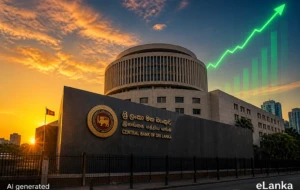
In a pivotal development for the national economy, the International Monetary Fund (IMF) has officially credited the Sri Lanka Treasury with a disbursement of US$695 million, a milestone that underscores the consistent progress of the nation’s comprehensive economic reform programme. This substantial financial injection, which follows the successful completion of the combined Fifth and Sixth Reviews under the Extended Fund Facility (EFF), marks a critical juncture in Sri Lanka’s journey towards long-term macroeconomic stability and fiscal sustainability.
The approval of this tranche by the IMF Executive Board reflects a recognition of the rigorous implementation of structural benchmarks and quantitative performance criteria by the Sri Lankan authorities, despite a global environment characterised by heightened volatility and regional challenges. With this latest disbursement, the total purchases under the arrangement have now reached approximately SDR 1.778 billion, which translates to roughly US$2.4 billion of the total US$3 billion facility originally approved on 20 March 2023.
A Framework for Resilience and Recovery
The Extended Fund Facility was established with the primary objective of restoring macroeconomic stability through a multi-faceted approach that prioritises fiscal and debt sustainability while ensuring the protection of the most vulnerable segments of the population. Since its inception, the programme has sought to safeguard price and financial sector stability, rebuild external buffers, and advance growth-oriented structural reforms that are essential for the nation’s competitive standing in the global arena.

The strategic implementation of these reforms is being managed under the watchful eye of the IMF Executive Board, with the latest reviews highlighting that the performance of the programme remains generally strong. The authorities have demonstrated a commendable commitment to meeting the rigorous demands of the arrangement, which includes the restoration of cost-recovery pricing for essential services such as fuel and electricity, a prior action that was deemed necessary to mitigate budgetary pressures and reduce quasi-fiscal deficits.
Insights from the IMF Executive Board
Following the deliberations of the Executive Board, Mr Kenji Okamura, the Deputy Managing Director and Acting Chair, provided a balanced assessment of Sri Lanka’s current economic trajectory. He observed that the nation’s “strong implementation under the EFF arrangement has continued despite challenging circumstances,” a statement that acknowledges the resilience of the domestic economy in the face of external shocks.
However, the outlook is not without its complexities. The ongoing conflict in the Middle East has introduced significant downside risks, impacting global oil prices and potentially weakening the current account. Furthermore, the after-effects of Cyclone Ditwah have necessitated a recalibration of fiscal priorities to accommodate recovery spending. Despite these headwinds, the IMF projects a real GDP growth rate of approximately 3 per cent for 2026, a figure that reflects a steady, if moderated, recovery from the more rapid growth anticipated in 2025.
Strengthening Governance and Transparency
A cornerstone of the current reform agenda is the emphasis on strengthening governance and reducing corruption vulnerabilities. The IMF-supported programme incentivises the advancement of structural reforms that promote transparency in public financial management and ensure the independence of key institutions. These measures are designed to foster an environment conducive to private sector investment and to enhance the overall efficiency of the state.

The successful navigation of the Fifth and Sixth Reviews indicates that the government has made notable strides in these areas, even as it addresses technical breaches related to external payment arrears caused by unfortunate cybercrime incidents. Such challenges underscore the importance of ongoing investment in digital infrastructure and security as part of the broader modernisation of the financial sector.
Impact on the Global Sri Lankan Community
For the Global Sri Lankan community, news of this disbursement serves as a source of optimism and pride. At eLanka, our mission has always been to share and celebrate positive stories about Sri Lankans worldwide, and the stabilisation of the motherland’s economy is perhaps the most significant story of all. As the nation continues to eye major trade deals and participate in regional economic frameworks, the confidence instilled by IMF support acts as a catalyst for renewed engagement from the expatriate community.
The financial stability provided by the US$695 million disbursement is expected to bolster foreign reserves and provide a necessary buffer for the Sri Lankan Rupee. This, in turn, facilitates a more predictable environment for trade and remittances, which are the lifeblood of many families across the island. The preservation of economic resilience allows the nation to better manage domestic needs while remaining an attractive destination for cultural and economic contributions from Sri Lankans living in Australia, the United Kingdom, Canada, and beyond.
Looking Ahead: Growth and Sustainability
As we look towards the horizon of 2026 and 2027, the focus remains firmly on maintaining the momentum of reform. While inflation is projected to hover around 5 per cent in the coming year, the overarching goal is to return to a path of fiscal targets that ensure long-term solvency. The IMF has indicated that while temporary fiscal easing is appropriate to address immediate shocks like Cyclone Ditwah, a return to agreed targets from 2027 onwards is non-negotiable for the sustainability of the programme.
The advancement of growth-oriented structural reforms will be instrumental in diversifying the economy and reducing reliance on volatile sectors. By leveraging ancient hydraulic civilisations’ wisdom in modern resource management and embracing contemporary technological shifts, Sri Lanka is positioning itself to be a leader in regional recovery.
Conclusion
The crediting of US$695 million to the Sri Lanka Treasury is more than just a transaction; it is a validation of a national effort to rebuild and reimagine the economy. It represents the collective resolve of the Sri Lankan people and the strategic partnership with international institutions to navigate a path out of crisis towards prosperity. As we at eLanka continue to document the achievements of our community, we remain committed to highlighting these stories of progress, ensuring that the global Sri Lankan family remains informed, connected, and inspired.
The path forward will undoubtedly require continued vigilance and a steadfast commitment to the principles of good governance and fiscal discipline. However, with the support of the international community and the unwavering spirit of Sri Lankans globally, the vision of a stable and thriving nation is becoming an increasingly tangible reality.
Source: https://adaderana.lk/news/cmpxidyjt000b356pftouprg4
This article was written based on the source https://adaderana.lk/news/cmpxidyjt000b356pftouprg4, kindly email us at info@eLanka.com.au if any information needs to be corrected.
At eLanka, we respect the rights of creators. If we have used an image you own and you’d like it removed, please email us at info@elanka.com.au and we’ll handle it promptly.